Robotics Production: Tesla begins high volume manufacturing of Optimus
Tesla is shifting its Fremont factory to produce humanoid robots at a scale designed for millions of units annually.
By Daniela Vargas ·
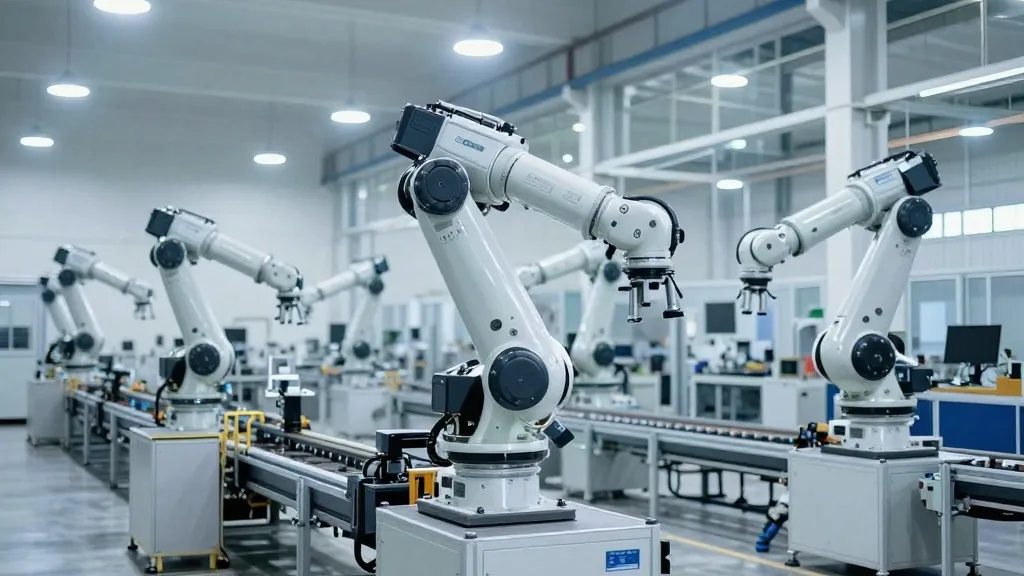
Ordinary consumers watching the automotive sector will soon see a major shift in how Tesla allocates its manufacturing resources. The company has officially moved the production of its Optimus humanoid robots onto a high volume line inside its Fremont facility. This move marks the first time the company has produced robots that meet strict quality standards for commercial use, signaling a transition from experimental prototypes to a tangible product ready for wider deployment.
The physical transformation of the Fremont plant has been rapid and decisive. Tesla cleared the legacy Model S and Model X assembly lines in just 46 days to make space for the new robotics infrastructure. This new setup is engineered to support an annual capacity of one million units. During a recent earnings call, CEO Elon Musk noted that the majority of the necessary equipment is already in place. He projected that weekly output will climb to approximately 20,000 robots as the production line reaches its full operational speed.
A central challenge for Tesla is how to train these machines without the massive fleet of data that powers its vehicle autonomy. Unlike cars, which send real time driving data from millions of units, the robot fleet is still in its infancy. To solve this, the company is developing an internal system known as the Optimus Academy. This initiative will involve 10,000 to 20,000 robots practicing various tasks and feeding their performance data back into the AI model. Every unit produced on the Fremont line will contribute to this continuous learning process, creating a self improving ecosystem of robotic intelligence.
Hardware upgrades are also on the immediate horizon to support these software advancements. Tesla plans to integrate its AI5 chip into the Optimus platform next year. Musk expects that a new video demonstration will be released within one or two months. This footage will show the robot completing tasks driven by artificial intelligence rather than preprogrammed motions, a distinction he argues is critical for real world utility compared to scripted competitor demos. The engineering team is currently focused on refining the robot's hands, which remain the most complex component of the design.
The broader supply chain is actively scaling to meet this demand. In September, Tesla certified several partners for mass production of Optimus components. Meanwhile, construction is underway on a much larger dedicated facility at Giga Texas. Recent aerial footage shows the steel frame of this new plant nearing completion. Tesla has set a long term target for this site to produce 10 million robots per year. Executives indicate that production costs are trending toward the efficiency levels expected for the Cybercab, suggesting the robot is being engineered for volume from the outset. Deliveries to outside companies for dangerous and repetitive jobs are planned to begin by the end of next year.
Source: Teslarati