White House pushes for AI data centers to share energy costs with neighbors
President Trump has urged tech giants to return excess power to local grids in an effort to reduce electricity bills and ease community tensions surrounding new infrastructure.
By Rafael Ortega ·
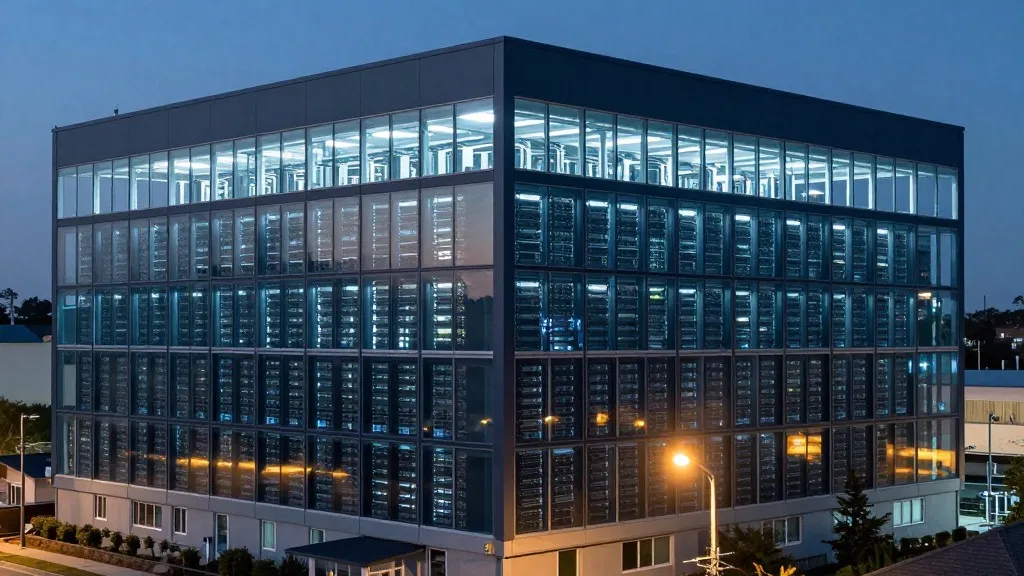
Local residents across the United States have grown increasingly wary of the rapid expansion of artificial intelligence data centers, leading to a new executive push for financial reciprocity. In a move designed to address rising utility bills and local opposition, President Donald Trump has called for a mandate that requires data center builders and large AI companies to provide energy dividends to the communities where they operate.
The President outlined this vision in a recent post on Truth Social, where he warned that these facilities would be required to generate their own electricity. Beyond self-sufficiency, he argued that any excess power produced should be given or sold back to the local community. The primary goal is to prevent electricity price hikes and potentially lower costs for nearby households, making the presence of these massive facilities more acceptable to local populations.
This directive comes as small towns and rural areas face a wave of protests against AI infrastructure. Residents have cited several grievances, including significant increases in electricity rates, persistent noise pollution, and strains on local water supplies. Issues such as air quality and deforestation have also contributed to a growing sense that the burden of technological advancement is falling disproportionately on local residents.
The administration is keen to maintain a competitive edge against China in the global AI race, and part of that strategy involves winning back public favor. By requiring data centers to contribute to local energy stability, the White House hopes to make the construction of new facilities more palatable. The specific mechanics of how these dividends will be calculated and distributed remain unclear, but the focus on electricity suggests a direct financial offset for utility costs.
This approach builds on previous orders that required these companies to be responsible for their own power generation. The new directive adds a layer of community benefit, particularly in light of a recently passed act that obligates data centers to cover the costs of grid upgrades. This measure ensures that the expense of expanding electrical infrastructure is not shifted onto local taxpayers.
In his post, Trump emphasized that financial agreements can transform public sentiment. He noted that data centers which were once highly unpopular in specific areas have become extremely popular once a deal was struck. He closed his message with a direct instruction to stakeholders: MAKE DEALS, and get them built!!!
While the economic incentives may help, they represent only one part of the broader challenge. Significant questions remain regarding the environmental impact of these facilities. Issues such as enormous water consumption and ecological damage continue to be major hurdles that money alone may not solve. The path to full community acceptance is still uncertain.
The coming months will test whether this energy dividend model can bridge the gap between tech developers and local residents. As the administration presses forward with its AI infrastructure goals, the success of this mandate will likely depend on how effectively companies can translate excess power into tangible relief for the communities hosting them.
Source: Tom's Hardware