Musk Injects $76 Million Into Texas Senate Race as Midterms Approach
The billionaire's political action committee has significantly increased spending in the final two weeks of October, focusing heavily on digital attacks against Democratic candidate James Talarico.
By Samir Nasser ·
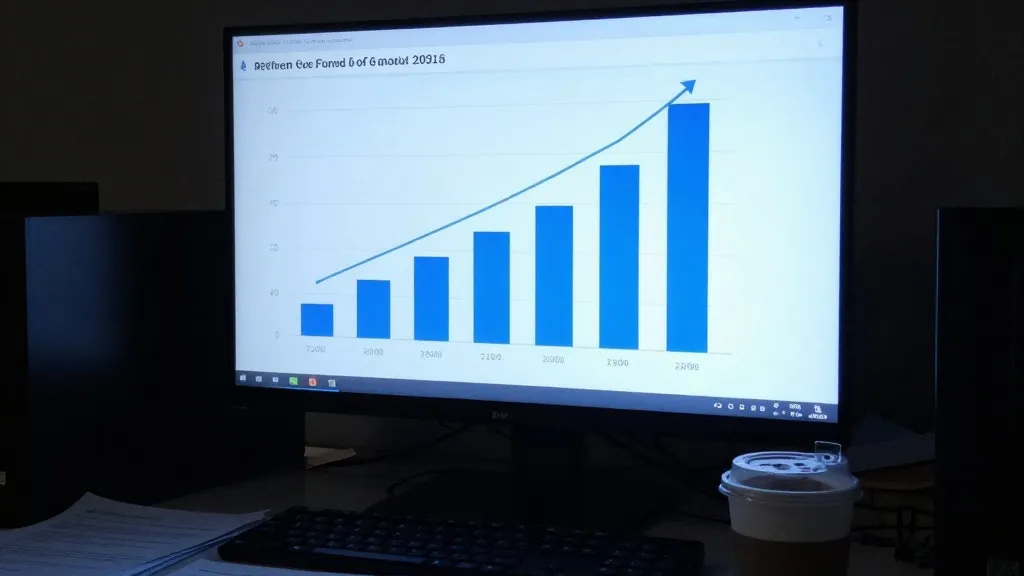
As the final stretch of the midterm elections begins, the financial flow into the race has accelerated dramatically. Elon Musk has poured over $76 million into his personal political committee, America PAC, during the first two weeks of October, a move designed to support Republican candidates in their final push for victory. This significant injection of funds was detailed in a pre-election report filed with the Federal Election Commission on Thursday evening, marking a major escalation in his campaign finance activities.
The numbers behind this spending reveal a strategic shift in how the money is being deployed. Of the new contribution, nearly $43 million was spent almost immediately, leaving the group with roughly $47 million in cash for the last leg of the campaign. The Texas Senate race was the primary beneficiary of these expenditures, receiving $15.2 million in the two-week period. This amount is double what the committee spent in that same state throughout the entire summer, signaling a concentrated effort to swing the outcome.
Specifically, the funds were divided between attacking the Democratic candidate and promoting the Republican. America PAC spent $12.4 million on negative ads targeting James Talarico, while allocating $2.8 million to promote Ken Paxton. Daily filings since the initial report indicate an additional $9.1 million has been spent against Talarico, bringing his total cycle spending to nearly $28 million. This figure represents about 40 percent of the total amount the committee has spent on any candidate or cause this election cycle.
There has also been a notable change in media strategy. The committee shifted its focus toward digital advertising, spending $11.4 million on online ads in the same two-week window. This digital spend is nearly on par with what America PAC spent on traditional mail and texting combined, suggesting a pivot to reach voters through their screens rather than their mailboxes.
Musk is now the largest known individual donor in this midterm cycle. His total contributions to Republican political groups have exceeded $445 million, with more than $165 million directed to America PAC since July alone. The committee declined to provide further comment on the recent spending surge, leaving the market to speculate on the strategic intent behind the timing.
The billionaire has also been vocal on social media, using his platform to highlight his concerns about the Democratic candidate. On Wednesday, he posted on X that he found something "deeply wrong" with Talarico, labeling him "a creep." He further claimed without providing evidence that Talarico would vote to take away voters' children and transition them. Earlier in the month, Musk amplified a false claim that Talarico had been treated in a mental health facility.
Talarico responded swiftly to these attacks, criticizing the influence of wealth in politics. He stated, "There is something deeply wrong with a political system that allows one trillionaire to buy his own personal US Senator." The candidate’s counter-attack highlights the tension between Musk’s corporate interests in Texas, where companies like Tesla and SpaceX are based, and his political ambitions.
Despite the heavy spending, the race remains competitive. An Emerson College poll of 1,000 likely Texas voters, conducted from October 17 to 19, shows Talarico leading Paxton by two points, with 48 percent support against 46 percent. This margin falls within the poll’s three-point margin of error, keeping the race in a toss-up category as election day nears.
The stakes for Musk extend far beyond a single Senate seat. If Democrats secure the House of Representatives, committee leaders have indicated they will investigate his role in the Department of Government Efficiency and his companies' federal contracts. California Democrat Zoe Lofgren described the number of conflicts of interest as "astounding." A unified Democratic control of Congress would present even greater challenges for his business empire.
Silicon Valley Democrats have also moved to target his aerospace interests. Representatives Sam Liccardo, Jimmy Panetta, and Ro Khanna sent a letter to the White House on Friday demanding an investigation into SpaceX’s Starshield satellite service in Ukraine. They vowed that the next Congress would closely scrutinize federal funding awarded to Musk’s businesses, signaling that the financial war is only beginning.
Source: Wired