Hegseth bans military bets on prediction markets to protect operational security
The Defense Secretary argues that wagers on military outcomes create detectable signals that hostile nations can exploit to anticipate US strategy and endanger troops.
By Aiko Yamamoto ·
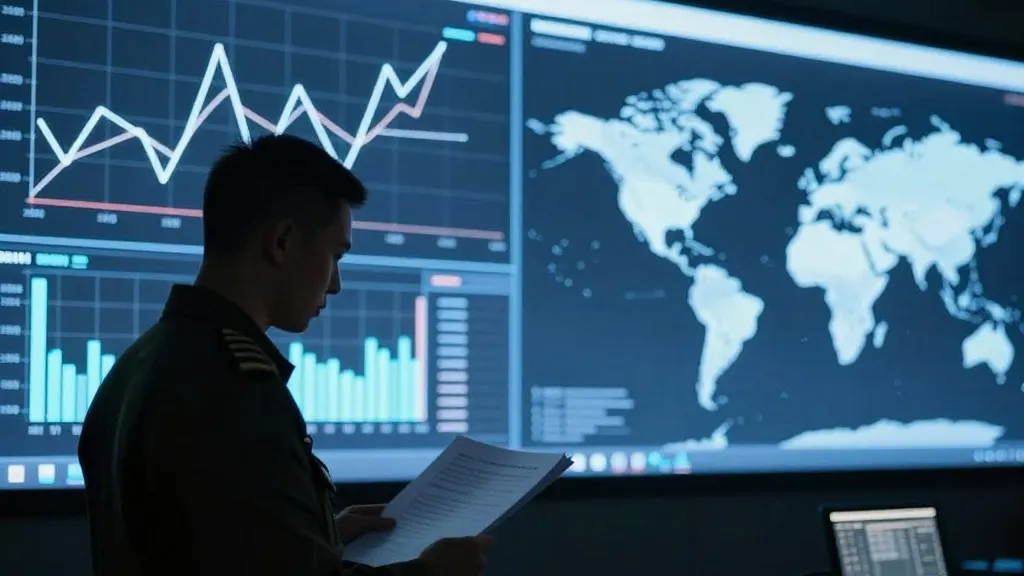
Defense Secretary Pete Hegseth has officially prohibited military personnel from using nonpublic information to place bets on prediction markets, warning that such financial activity creates a visible trail that enemy intelligence services can exploit. The directive aims to close a perceived gap in operational security where the aggregation of betting data could reveal the timing, targets, and movements of US forces before they are publicly announced.
The memo, titled Do Not Compromise Military Operations for Personal Financial Gain, was issued on October 20 and made public yesterday. It was distributed to senior Pentagon leadership, Combatant Command leaders, and directors of Defense Department field activities. Hegseth stated that when service members or intelligence professionals engage in financial transactions based on military outcomes, they generate a signal. He noted that hostile foreign intelligence services can aggregate and correlate these signals to anticipate US actions, thereby compromising the element of surprise that often determines the safety of troops in the field.
This regulatory move follows a series of high-profile incidents that highlighted the intersection of military secrecy and speculative finance. In April of this year, a US Army soldier was arrested and charged with using confidential information to place bets on Polymarket. The soldier wagered on the timing of the military's capture of Venezuelan President Nicolás Maduro and reportedly won $410,000. The incident drew significant attention to the potential for insider trading within the defense sector.
Further evidence of systematic exploitation was provided in an August report by the Anti-Corruption Data Collective. The group identified 152 suspicious wallets that had placed longshot bets on military and defense markets. These entities collectively won approximately $8 million, suggesting that a coordinated effort to profit from nonpublic military knowledge may already be underway. These findings likely contributed to the urgency behind the new directive.
Hegseth emphasized that the prohibition extends to all financial platforms, not just specialized prediction markets. The memo explicitly names Polymarket and Kalshi as examples but includes traditional betting services as well. The rule applies to any financial transaction informed by nonpublic information, regardless of whether that information is formally classified or merely unclassified. This broad scope ensures that even low-level knowledge about operational plans is considered sensitive in the context of financial wagering.
The core of Hegseth’s argument is that betting warps judgment and creates a conflict of interest. He wrote that the men and women carrying the flag into harm's way deserve a force that protects them rather than one that exposes them for personal gain. By treating betting data as a potential intelligence source, the Department of Defense is acknowledging that the financial markets have become a new domain of military observation.
The memo serves as a clear signal to the ranks that the era of casual speculation on military events is ending. It establishes a strict standard where the source of information matters as much as the amount of money involved. Personnel must now ensure that their financial decisions are based solely on public knowledge to avoid creating the data points that adversaries monitor.
Moving forward, the Department of Defense is expected to enforce this policy through existing administrative channels. Senior leaders will be responsible for communicating the new standards to their units. The directive sets the stage for a more rigorous approach to financial conduct among defense officials, prioritizing operational secrecy over individual financial opportunities in a rapidly evolving digital landscape.
Source: Ars Technica